About
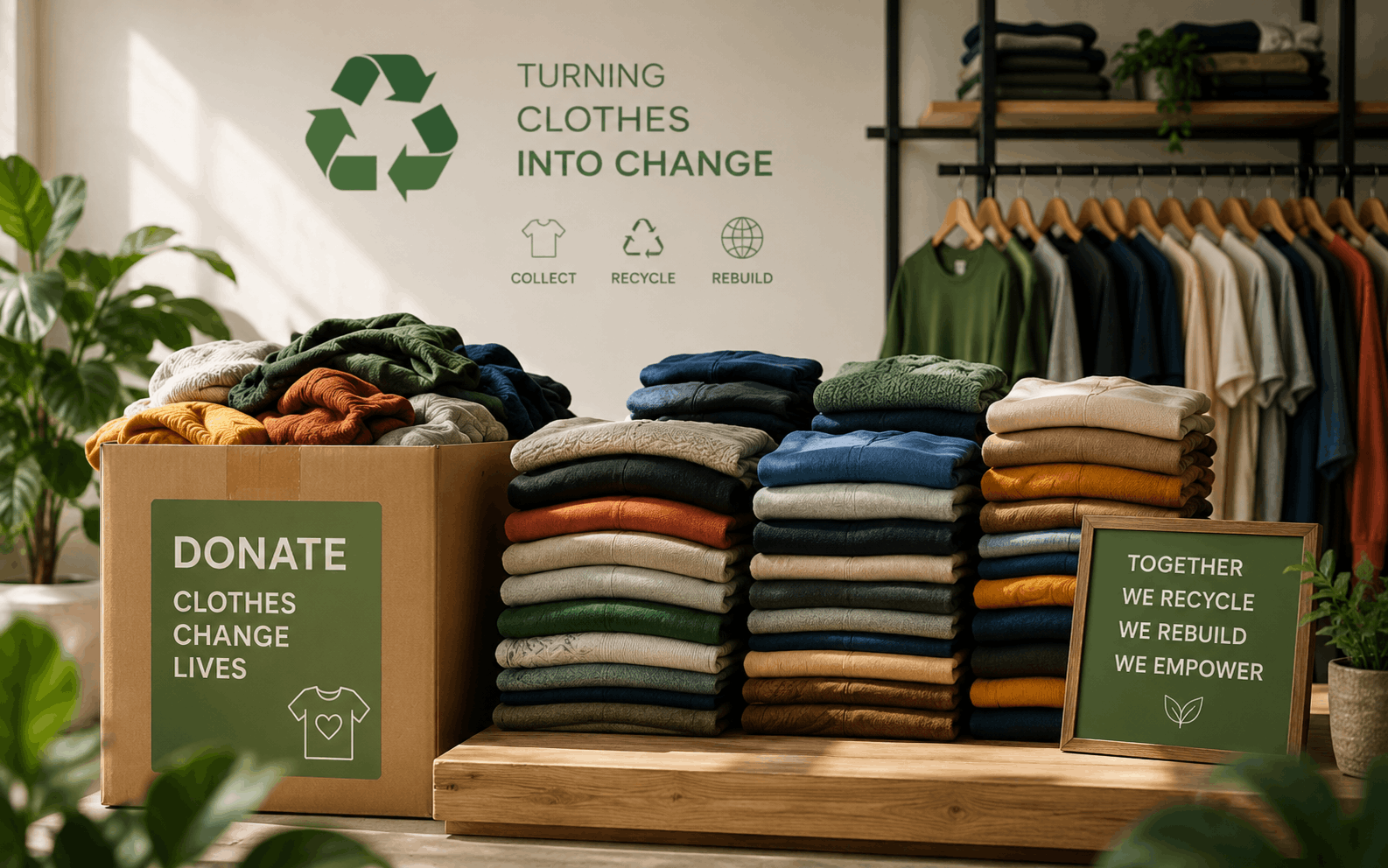
कातना to Respun is a social service project conducted by me, where old clothes are collected and sent for respinning. It gives a space for families to dispose of their old clothes in any condition, for better usage.
RETHINK. RECREATE. RESPIN.
A social service project collecting old clothes in any condition and delivering them to Respun for better usage, recycling, and responsible reuse.
Impact so far
3,000 kgs
Approximate clothes collected from The Doon School and Delhi NCR in the last year.
कातना to Respun is a social service project conducted by me, where old clothes are collected and sent for respinning. It gives a space for families to dispose of their old clothes in any condition, for better usage.
Clothing recycling keeps valuable fabric in circulation, lowers resource pressure, and creates practical economic value across collection, sorting, fibre recovery, and reuse.
Premium clothes become an idle economic asset in higher-income Indian households with time
India generates 70.73 lakh tonnes of textile waste annually
The textile recycling market could reach ₹334.25 billion by 2030 and create 1 lakh green jobs
Recycling reduces costs and dependence on raw materials
Recovered fibre can support affordable quality clothing and increase purchasing power
Recycling conserves water and energy; one pair of jeans needs about 7,500 litres of water to produce
1
कातना helps in bulk collection through awareness
2
According to colour, wearable condition, torn fabric, and other textile qualities.
3
Buttons and zips are removed, then fabric is shredded into smaller pieces.
4
Machines convert the material into new fibres.
5
Fibres are used for various practical purposes.
Shredded fibers are put into a rotating cylinder and aligned parallelly to remove impurities. These fibers are twisted together to create recycled yarn and mixed with some materials to improve strength.
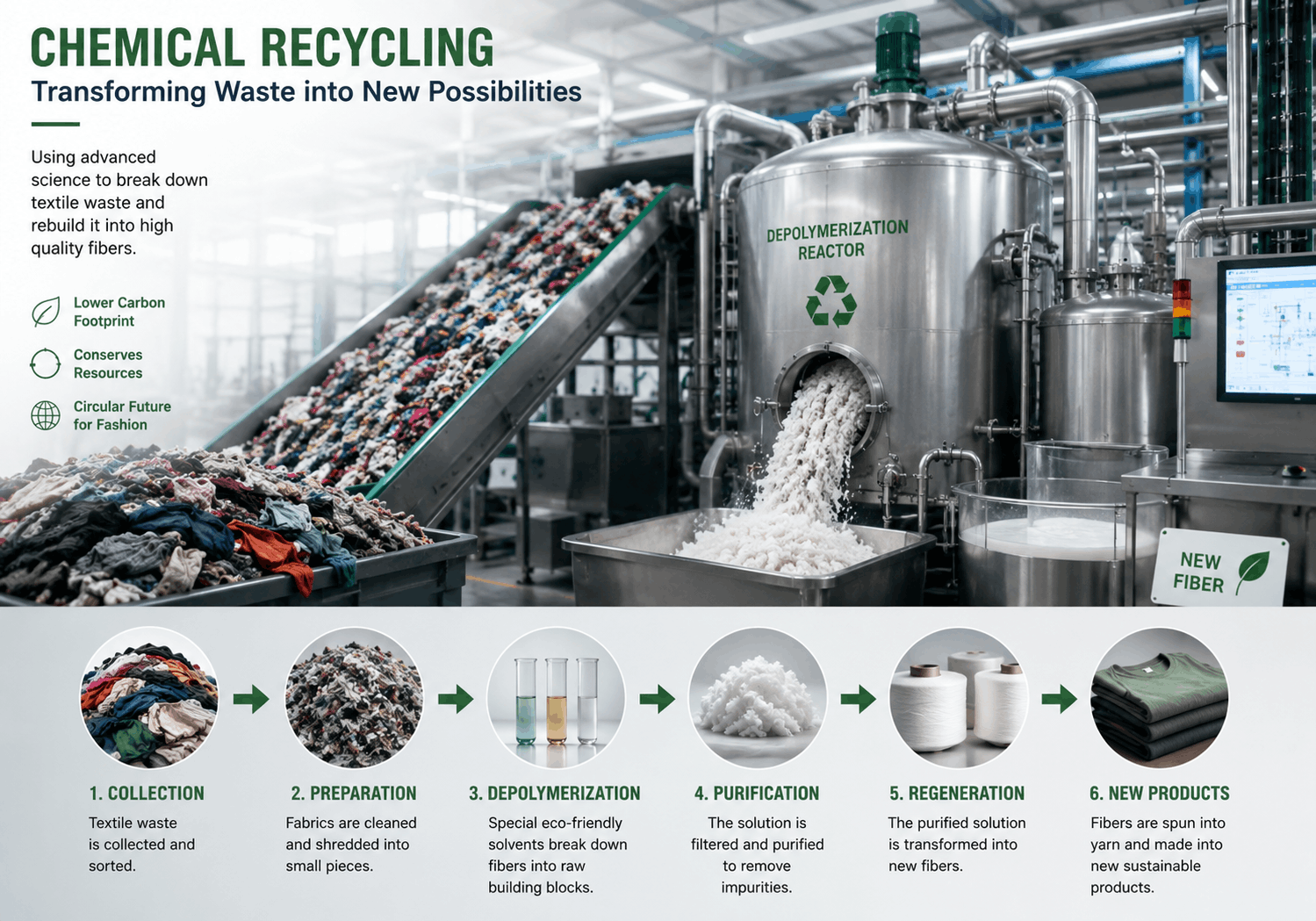
Polyester or blended fabrics are dissolved at the molecular level. This mixture is filtered and passed through a spinneret which creates new synthetic fibers, matching the strength of the original materials.
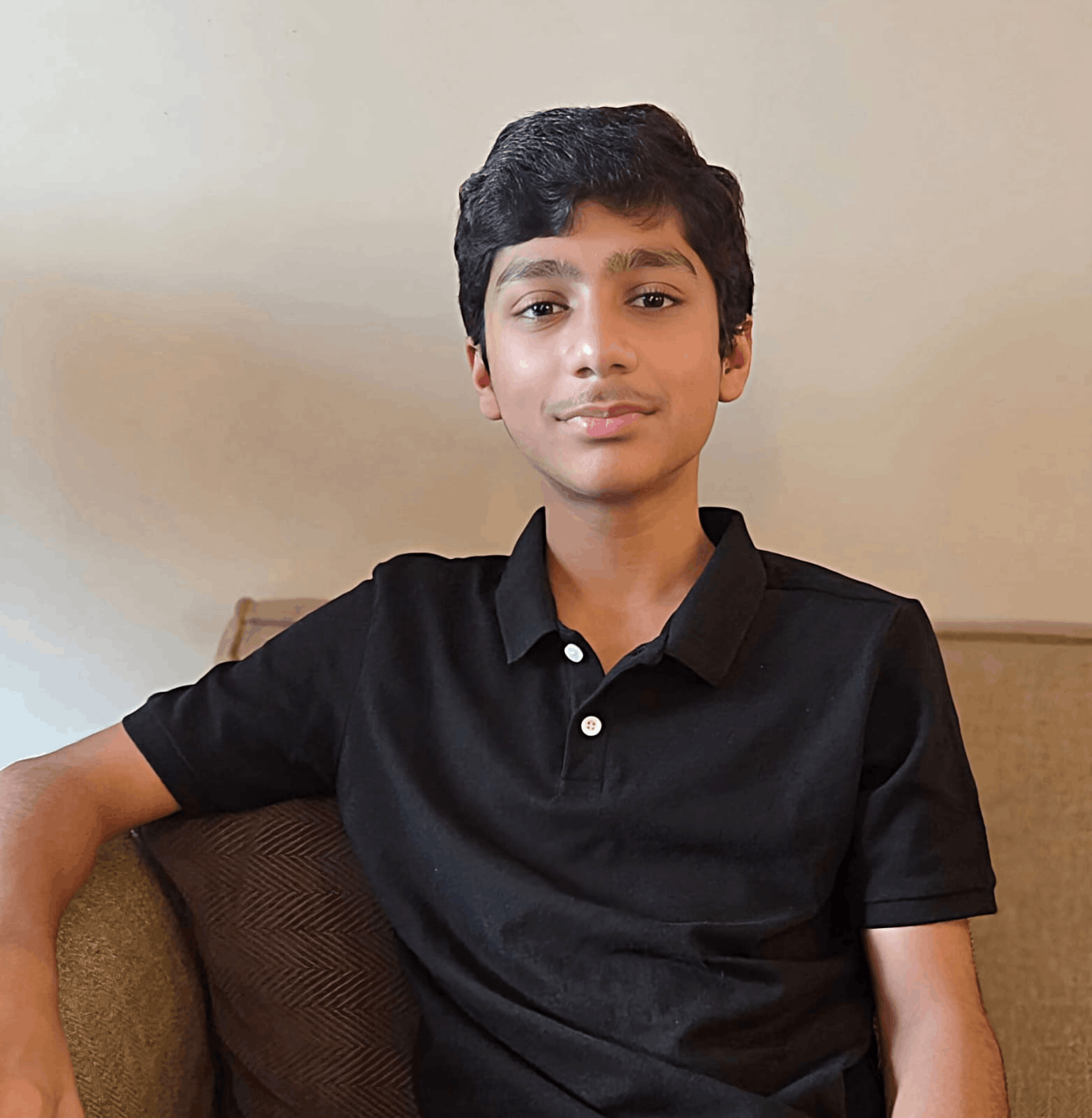
I am a high school student at The Doon School, Dehradun, and the idea for this initiative began last year when I saw how thoughtfully my school managed unwanted clothing. Rather than allowing clothes to go to waste, the school focused on reusing them wherever possible and disposing of them responsibly. This made me realise that textile waste is a problem that can be addressed through simple, organised action. I wanted to take this idea beyond my school and encourage more people to give old and unused clothes a new purpose. That is how कातना to Respun came to life.